Who Actually Owns Your Website, Domain and Ad Account? with Paige Wiese
Download MP3Hello, and welcome to the Service Based Business Society podcast. I'm your host, TiffanyAnn Bottcher. I left the corporate world to build my own businesses, and along the way, I've learned that scaling isn't all highlight reels. It's messy, it's hard, and it's totally worth it. As a mom of three, the author of the data driven method, and a serial entrepreneur, I know firsthand what it takes to build something bigger than yourself.
Speaker 1:This show is where we get real about entrepreneurship. The good, the bad, the beautiful, and yes, even the ugly. Each week, I'll pull back the curtain to share stories, lessons, and strategies that help ambitious entrepreneurs scale their success. So let's get started. Welcome back to another episode.
Speaker 1:Quick question. Do you know where your website is hosted? Who owns your domain? If your marketing person disappeared tomorrow, could you log in to your own ad account? Most business owners can't answer these questions and nobody finds out until the worst possible day.
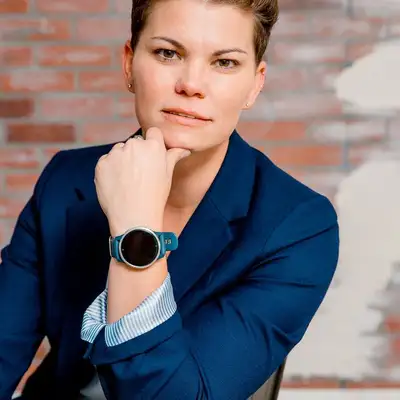
Speaker 1:The site goes down in the middle of busy season or the credit card on file expires and you have no way to update it. Maybe the employee whose cell phone gets the security code doesn't work for you anymore. My guest today is Paige Wiese. Paige started as a freelance web designer in 2008 and sixteen years later, she runs Tree Ring Digital, a full service digital marketing agency with a team of 16. She has seen every version of this problem and she built a whole practice around preventing it.
Speaker 1:On today's episode, we start with marketing. Why a beautiful website with no traffic is the same as a business built in the deep woods and why more clicks is always the wrong goal. Then we get into the part nobody talks about who actually owns your domain, your ad data, your QuickBooks file. Maybe we'll talk a little about the provider who wanted $5,000 for a copy of a website that the client already paid for. And the time my own ad account got hacked and the hacker ran up $7,000 worth of charges on my credit card.
Speaker 1:It isn't the exciting side of business, but it is the side of business that stops everything when it breaks. Hello, and welcome to the show, Paige. Thanks for having me. You know, Paige, I really feel like there are some of the sexy sides of business. I myself, I'm not usually a part of those.
Speaker 1:And then there are the parts of business that are so important. They're like the key pieces of business where everything can go wrong and everyone's like, how did this happen? And I didn't even know about it. And I really feel like we're going to talk about some of those key pieces today. And I think almost every business owner has run into this issue in one way or another, but they don't know how to prevent it from happening the next time, or they don't know that they're still sitting on kind of a landmine of potential issues in other related areas.
Speaker 1:So first, let's kind of start talking about how did you get into this space? How did you how did you come to be who you are now?
Speaker 2:Yeah. Absolutely. I got started. I was doing architectural drafting in 2008. Bad time to get into architecture.
Speaker 2:Found out the hard way. I decided that I, you know, wanted to switch career paths, had no idea what that looked like, and started teaching myself coding and learning how the inner workings of it all worked. What does it mean to set up a domain? What does it mean to set up a hosting account? What does, you know, a Gmail email over, you know, at domain dot com email look like?
Speaker 2:And started working through that path and assisting clients through it. And so started off as a freelance web designer, And then now sixteen years later, we're at a full service digital marketing agency with a team of 16. So definitely to your part, have seen the not so sexy sides, the sexy sides of it, and, you know, gone through that whole journey. We just kept hearing though, like, it's a great website, but... And, you know, usually it was...
Speaker 2:It wasn't converting and that came down to... Because they weren't marketing. It had nothing really to do with the site as much as we are hearing, hey, if you're not marketing, your site's not gonna convert. Where did you expect that conversion to come from? So that's really how I, you know, continue to evolve it into the full service that we are today.
Speaker 1:You know, it's very interesting. Well, the conversion piece, and I just want to highlight this because it's such a, I've run into this time and time again, is, you know, marketing and websites. And sometimes people go and they build the most beautiful website. Absolutely gorgeous. You open it and you're like, this is on point.
Speaker 1:And then you see how many people are seeing that website. And you're like, you are the equivalent of like, you've built your business in the deep woods. And the only person coming by is some random hiker that's hiked for three days to get there. Like nobody is your ideal client. No, like this, this hiker is not packing out your services with them.
Speaker 1:This is not your person. And so sometimes you're like, oh my goodness. And so there's all different ways to increase traffic and marketing and whatnot. But there's kind of this two pieces. Some people like to run lots of paid traffic to a terrible site that doesn't convert.
Speaker 1:Some people like to have a beautiful site that has no traffic, both result in no customers. And so, you know, it's, there's, there's this marketing piece of really figuring out what is the actual problem going on and solving for that one because a beautiful site that no one knows, it still doesn't attract amazing clients. A site that's absolutely terrible that doesn't convert with lots of traffic doesn't do anything either.
Speaker 2:No. And I've always said, you know, like, because anytime a client comes to us, we're like, Hey, do we need to rebuild the site or not? And a lot of agencies, if they're going to touch anything for marketing are just naturally gonna have you rebuild the website. And our model has always been like, let's let the numbers talk. I've seen some really, really bad websites that convert fantastically.
Speaker 2:And, you know, so it's like, if it's working, do we really want to change at that moment or do we wanna generate that additional revenue to offset the build? Right? And so we really come at it from a little bit more of a holistic approach like that of which... What is more important, you know? Like, yeah, to your point, we can design the pretty site, but if it's not converting, if it's not functioning, if it's not, you know, streamlining and automating your services, is it really worth what you're paying for?
Speaker 2:And so how do we connect those dots? And that's really where I, you know, focus really hard of how do we bridge that gap from the first time they see the customer or the, you know, provider all the way to through a paid conversion on the website of sorts or a contact form lead or, hey. We did a phone call. Whatever that looks like, we've really gone in to look at what is actually a conversion, though, instead of stop stopping at the marketing front and saying, well, for us, a conversion is how many people clicked your ad. Or for us, it's how many people clicked from Google to your website use...
Speaker 2:You know, through SEO. That doesn't really matter to your point. Like, you're just wasting money and not understanding what it's actually doing from an ROI perspective. So that's something we've really enjoyed is having both sides of that. Being able to say too to the client, because the analytics say this, we're recommending we change that.
Speaker 2:Whether it's marketing, whether it's website, whether it's how long your contact form is, where your checkout process is, are you offering some sort of, you know, trial period, Whatever that is. So that's, yeah, it's huge and really, really important and often overlooked.
Speaker 1:Yeah. One of the pieces I always come back to in business decisions is what is the objective? And I feel like it is so relevant in so many pieces. And you're talking about like, what is that conversion step? And so often, you know, it's like Google ads is a great example because it's such a tangible numeric piece where you're like, okay, I'm getting this many clicks.
Speaker 1:It's costing this much. And so many times I can get, I can get cheaper clicks. I can, we can drive that cost down. And I always, my rebuttal is always, am I getting more clicks from the people who are actually going to buy? Because like great clicks.
Speaker 1:My business doesn't grow on clicks. I don't buy a new family vacation on clicks. I need them to take the next step. And so, you know, having a thousand people more that don't buy from you is is not actually helpful. And so really thinking about what is that conversion step.
Speaker 2:Yeah. I mean, that's something we've looked at. We've, you know, had people ask over the years, like, well, what's wrong with my site? And we'll be like, look at the about page. What is the next step?
Speaker 2:Like, now that they see that and they're like, oh, I really like their story or, oh, I really like the different types of people they have on their team as far as the different roles or whatever.
Speaker 1:Yep.
Speaker 2:But if you have no way for them to get ahold of you or what, like telling them what that next step is. So I always challenge business owners of like, go to your site. And when you get to a page, are you actually telling them whatever the next step is in that journey to your point? Is it scheduling a consultation? Is it requesting a quote?
Speaker 2:Is it add to cart? You know, is it book an appointment? Or is it just hope they reach out? Hope they say something, right? And so if we can get them down to that buying process and ready for it, we're probably more likely to convert.
Speaker 2:Or I've seen people that like schedule a call and then it takes them to a contact page. And I'm like, that is not what the word schedule means. If I'm clicking a button to schedule a call, I want to see a calendar where I can physically schedule a call. I don't wanna put it on my calendar as a tentative and then hope that that time works for you and then continue. So to your point too, like how do we make that conversion easy and actually walking them through those steps instead of...
Speaker 2:Because a lot of people will be like, oh, we've got my phone number at the top of the page. What does that mean? Like, are you open to a phone call anytime randomly? I'm not. I want it on my calendar.
Speaker 2:You know, like that's the rule we set up. So ours is more defaulted to schedule an appointment. And so working on through that really does start to make a difference. And to your point, we also focus a lot more on not so much how many like people are searching, but is it the right intent? That's the other way that we really break down when we start working with a client is what is...
Speaker 2:How do we get them deep in the buying process that they've already done the research? They know exactly what they're looking for. But now we're really like, great. This is... You know, I know that I'm looking for a company that does a, b, c.
Speaker 2:If I pull up this website and they do that, hiring right now. That's the sort of process we want to be in that often does come with a lower search volume. And so it's easy to get caught up in how many impressions am I getting or how many people are searching for this phrase on a monthly basis. I really don't care. If it's five people and five people convert, it's probably a better click through rate.
Speaker 2:It's probably a better cost per click, you know? And so, and then maybe you are paying a little bit more in a cost per click, but if they're converting, do you really care that it was $3 more per click if we're getting the right audience? And so those are the ways that, you know, I think people should be looking at it.
Speaker 1:Yeah. There's this, this piece of intent and I feel like there's this kind of mystery that comes with SEO. So we, we have this, she's actually a kind of a business connection of mine. And we were talking about her website. She was trying to decide if she was going to move her website.
Speaker 1:She was working with a new firm. They were talking and she said, I have this one blog that drives all the traffic to my business. I don't want to mess around with it. The link is like, you know, wherever the source is, like all this traffic is coming to my site. And I said, is that traffic turn?
Speaker 1:It's great. Great. Like that's awesome that you, you know, you've obviously hit some kind of, but is it actually driving people? And the end result was no. And I think the piece that people focus on with, with SEO or whatever is such traffic, but there is the intent piece you're just talking about.
Speaker 1:And so there's always this misalignment, especially if you have someone who's doing SEO recommendations or whatever that doesn't really understand what you do. So, you know, great example is if you are a custom home builder and you are building top of the line and you're, you're, you know, you're serving this little percent of the population that's going to come in and build like the custom dream home. And you're running, you know, SEO that might be doing a lot of traffic, but that it's all about like how to DIY your tile. A 100%. There's a lot of people who are interested in DIY ing their own tile, but the person who's building the dream home is not DIY ing anything.
Speaker 1:No. And they are not interested in that. So you might be driving tons of traffic to your page. I mean, and there is obviously some value in just traffic. You never know who might see something, but like this, this is not your mark.
Speaker 1:You know, luck is not good marketing. And so, you know, instead what might be a better alternative is like, Hey, what is the, you know, the biggest difference or between Italian tile and, you know, French tile and, you know, the, the, the perks of which is going to be more warm in the morning when you walk across the bathroom floor. These are, these are things that someone who is now building their custom home is like, oh, like, you know, my Sam has French tile and Beth has Italian tile. Which one do I want in my custom home? Right.
Speaker 2:What are the pros and cons?
Speaker 1:Yeah. This is a, now you have someone who's actually potentially going to, you know, it's just very different. And I feel like that kind of intent, you know, it's not all just more people. It's the right people in such a key piece that just gets, gets missed because your SEO provider perhaps can come to you and say, Oh, look, look, This blog is... Look at all this traffic.
Speaker 1:This is doing great. Now we're ranking for 500 keywords and oh my gosh. Like... And and as a business owner, you're like, look at this. This is great.
Speaker 1:Like, we are... Like, look at all this green. We're going good.
Speaker 2:Yeah. It's about asking the right questions because anyone can amp up whatever the number is they want to. Right? Or it's like, okay, well, we're only spending Blake. I know because that's what we put the budget at.
Speaker 2:Like, we put the budget at a lower amount, right? I can make it look really great of looking at what we did for this low budget. And we see a lot of like high end interior designers that take that approach that you're saying of like, well, I wanna have a blog and I wanna show them all these things that they can do. And I'm like, no. If I'm hiring you for a high end interior design, I literally just want you to show up at my help house, tell me what to do and move on.
Speaker 2:But I do not wanna read a blog. So I understand the value of content creation. However, you also have to know your audience. And is that really how they are finding you? Most likely, no.
Speaker 2:They're not trying to. You gave a great example of like the inquisitive side. Why would I choose one of these over the other? My developer told me this or getting into developers in in a certain area that's a more affluent area that's worked there. Great.
Speaker 2:When you're searching for that, but they're gonna know right away, like this is or isn't. And that's where back to like the website can start to come in. If you're trying to sell some sort of high end service of any sort and your website doesn't look that great, it is a full blown representation of how you run your company. It's showing that you're cutting corners. It's showing that you're not that invested in it.
Speaker 2:It's showing that you don't really care. And that's perception, unfortunately. And so same thing, like understanding, and there's some demographics that don't have any care at all. They're just looking for cheap. And so they're gonna be fine if you haven't touched your site in three, five, seven years.
Speaker 2:Right? And so understanding that side of it too is when they show up, is that what they're expecting to see? Or are we long behind the times and need to change that?
Speaker 1:Yeah, very much. I mean, it's, it's no different than, you know, the whole, don't judge a book by its cover. Let's be clear. Everyone judges every book by every cover because you don't even get the opportunity. You know, do you walk into the bookstore and open every book?
Speaker 1:No, you have you cruise and you, that might be, it might be interesting. Then you open it. And so, you know, sometimes a website can strategically look discount and budget because, Oh, clearly these people are not like, you know, but, or someone's like, Oh yeah, this is a huge corporation. I want to deal with small business. So that, you know, it's like this piece of you want to look professional, but you, whatever message, whether it's I'm big and I have lots, you know, or it's I'm super cheap or it's I'm super luxury.
Speaker 1:That website is, is that kind of snapshot into your, like, what is this person's vibe? And I know, and I kind of use that or people kind of laugh because they're like, really? Like, you're the, you know, you like data and numbers and you talk about vibe. I'm like, but like, no one gets to the other part until they're like, is this, is this the right feel for me?
Speaker 2:Yeah. They have to see it. And I mean, like, so an example of that is when I first started and I was doing freelance work and I knew I was losing work to like slightly larger companies or they didn't want a freelancer because they weren't sure if they could depend on them, but they wanted a company that they knew would be there. I saw that pretty early on and very quickly changed all of the messaging on my website to say we or team. That way it's like, it doesn't really matter to you if it's a solo person or not.
Speaker 2:And as soon as we made that swear, I made that switch, right? Like, yeah. People had a little more trust in us. People were like, okay, cool. Let's do this.
Speaker 2:And it was just... I mean, that goes into the psychology of it all, but it's the same thing of like, if you're wanting to, you know, step up a little bit in your game, then you need to be presenting at that level a little bit more instead of like downplaying where you're at or, well, this is who we are. This is exactly what we're gonna do.
Speaker 1:It's such a different experience when it's just the right feel. And, you know, I think even on this podcast, we've talked so much about outgrowing systems, you know, like, I mean, we've, we've been at this a while and so lots of people talk about, you know, growing the team and growing the systems and all these things. But the fact is that we also can outgrow our marketing messaging. And, and so kind of dialing that in to say, is this still relevant? When you service the, I mean, and I think every business owner along the way can reflect at a time where you kind of knew it wasn't the right client, but you were like, it'll be fine.
Speaker 1:Be fine. Or you're like, oh, but I want, you know, maybe it's a little quiet period. A not ideal client comes in and you're like, this will keep the team working. It'll be fine. Don't do it.
Speaker 1:I mean, here's the thing. It's I think that there's a time in business, like when I started, I mean, we ended up with such a wide range of offering at the beginning because if someone was like, Hey, can you do this? I was like, absolutely we can. No problem. Sure.
Speaker 1:Yep. I, we could do that and that. Because I had, I came out of corporate finance and tech. I was like, I don't know how to sell anything. And so when people were like, can you do this?
Speaker 1:I was like, absolutely. Yeah, no problem. But then you end up with this like wide service offering and no real, you know, and it's that whole like, Oh, we can do anything for everyone. Sure. I think that there is a time and place, you know, you can't start out on day one and be like, I'm super picky.
Speaker 1:I have no actual experience. I have no reviews. I, no one knows who I am. And like, I am only dealing with like one out of a 100 people. I really hope I can find that person because you'll just never get anywhere.
Speaker 1:But it's, it's kind of that at one point you grow. And I think that's kind of the key piece here is it's like the systems have to grow. The team has to grow the messaging and the marketing. It's like the journey to scaling a business is that some of these things, it's really no different than a kid, right? It's like they go through certain phases.
Speaker 1:And at one point it's like, you know, you're no longer... I'm not talking to my, you know, 12 year old daughter about the same things I talked to my six year old about because it's it's it's different different phase.
Speaker 2:Oh, yeah. I mean, challenges and the hurdles really vary as far as, you know, as you're going through that journey. And I always joke, you know, like, what's something you would tell, you know, anyone starting a business right now? And I'm just like, it's a journey. Like, you are gonna have ups and downs.
Speaker 2:It is a roller coaster. Like, it's gonna change. Not every day is gonna be the same. One year is not gonna be the same as another year. And, you know, that's where we really start clients with a five page website, because it's like, I don't wanna build out every single service page.
Speaker 2:While it's great for SEO, let's figure out what your clients are actually asking for first and then begin building out the site into a larger site. And so, you know, there are approaches of like, how do we adapt? We talk to clients when they're naming businesses and are like, don't pigeonhole yourself. You don't know. Don't call yourself thirty seconds because you might outgrow that location.
Speaker 2:Ideally in a perfect world, you do outgrow that location and now you're no longer on street. And now nobody knows why your name is that when you're on Alameda, you know, like whatever that looks like. And so, you know, really being able to set yourself up for that and take those baby steps as you grow and scale is definitely a piece. My journey's a little bit different from the standpoint that I... Same thing you did.
Speaker 2:I'm gonna take on any... I was like cleaning hacked computers for a while. I mean, anything and everything that came up, I was like, yeah, I'll do it. Yeah, I'll do it. Because I was trying to survive, you know?
Speaker 2:And then obviously, yeah, over time it was like, no, we should probably stop taking on the hacked websites. It's really not what a marketing agency should do. No, we should probably stop doing this. It's not something we should be doing. Or it doesn't make sense for the team.
Speaker 2:Now that it isn't me taking on every project and it's a team, am I setting the team up for failure because I'm overextending what their abilities and skill sets are? Or I'm assuming they know more outside of what the job description is? We don't wanna be doing that as we're growing and scaling. Right? So then I was like, how do we stop having people wear so many hats, get them down to their area of expertise?
Speaker 2:It's actually really yielded in our favor though because we've done so much over the years in how we've structured the company from website hosting to management to builds to marketing and SEO, that's really where we started looking more at that digital continuity piece, where it's like now clients really appreciate that they can email us pretty much any question and say, why did I get this email? What does this mean? Why is this happening on my site? And we don't have to say, you're gonna need to go talk to your developer for that. Like, that's not us.
Speaker 2:Right? We can right away dive in and go, is this server side or is this development side? You know, like, who do we need to get this to? Great. They're gonna know the answer.
Speaker 2:Is this related to SEO from a Google Search Console thing or is this a spam email? And so they've really been able to build trust, and that's where a lot of, like, our digital asset protection service started coming from was more of, no, we have offered a lot of services over the years, and we've got a really robust team to handle it. But we're seeing where that pain point really started to come in for the clients of there's so many little pieces in tech. I don't know. I don't know how When to handle
Speaker 1:people start to piecemeal things together, we run into these issues. I I had a a person who I know personally reach out to me about a year and a half ago and say, hey, I have... I'm launching this business. We need a website. We need to do this.
Speaker 1:And I said, we can talk about it. Sure. And I gave them like the friends and family kind of pricing. We had some time on that in that team. And so I was like, sure.
Speaker 1:Came back and said, you know what? It's just too expensive. I'm I'm gonna I'm gonna get on like Upwork. And like, I'm going offshore. And like, I gotta go cheap.
Speaker 1:We're launching. We gotta go cheap. And I thought, you know, I'm pretty like, I was pretty lean. Like, you know, when you're like reflecting on your pricing and you're like, no, I okay. Good luck.
Speaker 1:No problem. No hard feelings. Like, see you're at. And so about a few months ago, he reached out to me. It might have been cheaper at the beginning, but like, we are still struggling with this and struggling with that.
Speaker 1:So I said, no problem. I'm going in behind. I'm like, okay, I'll have a look is what I said. I'll have a look. So I get in there and I was like, Hey, I just want to say like what they've built is super cool.
Speaker 1:It was like way more extravagant in terms of like code and customization than I ever would. I was like, Oh, this is surprising. But now it's so complicated that you've got, you know, one person trying to fix someone else's something and this and that. They actually had, and he's like, I keep making, you know, I'm trying to fix it myself. WordPress.
Speaker 1:He has no idea. And he's like, I make the edit and nothing happens. I've made the edits. I can see them here, but nothing is happening. And I'm like, okay, it turned out that there was two versions of the website.
Speaker 1:One that was on the editor was linked to a preview link. The site was not live anywhere. And the original website that was done by developer one, two or three because we're on Upwork and we're changing people. We're doing things It's the live one. So we've got two.
Speaker 1:And he's making edits and nothing is
Speaker 2:And happening there's so many edits.
Speaker 1:Yeah. Two completely different sites. He has no access to like the domain. He has, he's like, I don't know. This is this.
Speaker 1:And so in the end now we kind of have this, but it's like now, now the problem is actually getting access to the domain to like swap it so that we can actually put the actual site on the domain. And it's like this, like, well, I don't want it. I don't even know what a domain like, you know, I, I don't know what the domain, what is DNS records? What is all these Oh my I'm like, okay. If we have to be careful when we change the domain because we don't want to break the business email.
Speaker 1:And he's like, business email. And I was like, he's like, someone set that up. I have no idea. And it was like, okay, like these are some problems that, and this is that part where it's like, you don't know. You just don't know.
Speaker 2:And you're hiring the experts as you should. I mean, there's so many little pieces and ways that it gets into it. It's like, no, most people don't understand what an MX record is, you know, like, nor should you. That's something that your, you know, development team should know. That's something that your server should know, like, whatever that looks like.
Speaker 2:And so it's, yes, when do we bring them in? But to your point, how do we know why it's being used? Why do I have this set up? Why does that matter? Where would I go to find that?
Speaker 2:Yes. I can't tell you how many calls we get on where we're like, we're ready to get started. We're gonna need your hosting login details so we can take a really good backup of your site. And then we'll dive into the site and get started. And they're like, I don't know where it's hosted.
Speaker 2:I'm like, okay, I'm not surprised. And thankfully there's some tools out there for the most part that we can figure out where it's hosted. But if it's been kind of masked, if you will, we're not gonna find it. We're gonna have to just start asking questions of like, Does this name sound familiar? About that?
Speaker 2:Have you ever heard
Speaker 1:of this Have you ever heard of Bluehost? Does that ring a bell for you?
Speaker 2:And then sometimes it's a resold account. So like, No, I think my previous developer was doing that, but I haven't talked to them in ages. And it's like, okay. Then like, we're not gonna log into anything. Like, if it's with a resold account someplace.
Speaker 2:And so that... But now that turns into, hey, something happened. And while everything's been going so smooth for the past six months, two years, whatever, the second though that thing happens, it's just pure panic. And it's just like, this is stopping my business. Everything's at a halt.
Speaker 2:I don't know why my emails stopped working. I don't know what's going on, but they also don't know who to talk to. They don't know who to go to because they don't even know what to ask. And it's not their fault. We're business owners.
Speaker 2:You need to keep... It's the same thing. I don't know everything about accounting and bookkeeping. I hire an expert for that. I knew right away, I'm not handling payroll taxes, that I can handle taxes, I can handle accounting.
Speaker 2:I'm not trying to figure out payroll nor get in trouble for payroll. Right? And so I knew right away, but then I also go in and ask and like, does this stuff make sense to me? How are these things connected? Why...
Speaker 2:Like, who's paying this specific piece of the taxes that coming out of the payroll? And so it is also just like asking more informed, like, questions to really make sure you actually understand as the business owner, how does this online presence work? Not so much, okay, cool. I'm gonna keep moving. And we're all guilty of it.
Speaker 2:We've been running so fast as a business owner, to your point, working all hours of the night, day, whatever, that we're just happy the business is moving and growing. We forget to slow down and pay attention to these details, but these are the costly details that really quickly add up and can make a huge impact on your business when overlooked.
Speaker 1:Totally. I often say you need to know enough to know the right questions to ask, but you don't need to know how to... Then people get down to like trying to know everything about it. And you're like, no, no, you don't need to know the 20 steps on, on how to file your payroll taxes to use that example. But you do need to know like what payroll taxes is your business?
Speaker 1:Like, what does that mean? Does that get filed like here or there? And like, how, like you need to know enough that if your provider fell off the face of the earth tomorrow, that you would at least be able to like go in the right direction and be like, okay, so that's a quarterly problem. So right now that's not my biggest pressing fire. I have two months to figure that out.
Speaker 1:And I think it was something in this world. Okay, so we have some time, but you could also be like, oh my goodness, that is the problem that, well, that stopped working.
Speaker 2:Right.
Speaker 1:And so, you know, it's like you run into it oftentimes with a credit card that's expired. So suddenly you're like, I actually don't even know where to update the credit card, but like the site is down. We had, we had a client who had been with us for a while and then they had sold their business. And so now it was somebody new had all of these assets and they were like, the site is down. No idea.
Speaker 1:And I was like, why? And I was like, we might still, I was like, well, I was like, maybe it's still no one had changed the password. Like, we still had access, like four years later. And I was like, okay, yeah, I can try. And it was like, okay, well, this is the email where the notifications are going.
Speaker 1:Did you get those? Like, it looks like they sent, like, five emails saying, like, it's about to expire. Please update your credit card. This is gonna fail. Like, are you sure you want it to fail?
Speaker 1:Yeah. I've just been super busy. I I just I just...
Speaker 2:It even admitted that they just didn't look at them. Usually it's like, no. We weren't getting those. Like, it went to spam or a previous employee or whatever. But it's even worse when it's like, no.
Speaker 2:We just didn't think it was actually gonna do anything impact. We didn't even know why we needed it. Right? Like, is this that important for me to renew? I haven't had to deal with it before, but to your point.
Speaker 2:But also the credit card hadn't expired. And so now that we are x amount of years in, yeah, your credit card does expire. We need to update it.
Speaker 1:Totally. And I think having that key list of what are those digital assets, what are the logins? What are the pieces that make up your business? I mean, if, and I really feel like the electronic world becomes very intangible. I was talking to a, you know, a business owner recently, they were having some, some like from an accounting perspective, there was money moving and they weren't, the team was not recording.
Speaker 1:There's too many people just moving money around all these places and like it wasn't being recorded. And I said, I just want to clarify that if someone came into your office and put a million dollars in a suitcase on someone's desk and said, please take care of this. They would hold on it. They would be like, okay, I'm going for lunch. I'm giving this to so and so.
Speaker 1:It's with you now. Please keep an eye on that suitcase. Don't lose it. Make sure it's good. You would never just throw that in the closet.
Speaker 1:It's fine.
Speaker 2:We'll find it.
Speaker 1:Just because it's electronic electronic and it's less tangible doesn't mean it's any less important. In fact, with the electronic, especially with all of the like rise in, like, you know, two factor authentication and this access and that some accounts like are very hard to get access to after the fact, especially if you give an access to an employee that's no longer there or somebody says that, you know, it's like, oh, well, I actually can't get in unless I have that person's cell phone. Yeah. I don't, They... They're not with us anymore, and they left on terrible terms.
Speaker 1:So, like, I'm not getting that cell phone number.
Speaker 2:And they give you, like, two digits. So you're also really trying to figure out who is this attached to? And you can't really go to your CRM and type in two numbers and, like, hope that it's gonna... Right? I mean, you got mailing addresses.
Speaker 2:You've... Sometimes the email address contains it. You've got different dates in there. You've got the phone numbers. All these different things that you're like, I don't know.
Speaker 1:Absolutely. You know, one of the things that I think it's common in both the web marketing world and the bookkeeping world is a lot of providers will retain ownership of certain things. I'll buy your domain for you. I, no problem. Now they have the domain on the website.
Speaker 1:Now, I mean, we all, we all want things to think that these relationships will be amazing forever, but the fact of the matter is it's life and that isn't the case. And so now this person has your domain or bookkeeping firms will own the QuickBooks account. And they'll say, you know, it's like you want your data back? Well, you know, and it's like, and it's almost used as like a point of leverage in, and, and so I actually was in talks with a few years ago with someone and this was his, were, we were talking about doing business together as a partnership. He said, you know what, if you're not doing this and it was this whole own the data, they can't leave this and that.
Speaker 1:And he like the way he was talking about it, I immediately knew that he and I were not, I was like, the numbers I don't really care about the rest is you and I are not aligned. This is, you have been paid to generate this data for this business owner. It is their business. It is their data. You have been paid to generate it.
Speaker 1:But like, sir, we're not, we are not withholding this data as like a, you know, do this or else you're not getting it. I'm like, no, no, this is not how we do business.
Speaker 2:But too many... You're right. It's very common in the marketing space. It got acceptable years and years ago. And it's just something that people have just assumed as natural.
Speaker 2:And that that's just what it is. And it shouldn't be. I have never ever had that policy. If I set up... I've purchased domains on behalf of hundreds of clients from the standpoint of they're going to overpay if I don't.
Speaker 2:So, you know, or they're a 100% gonna call me at checkout while I'm in the middle of a meeting and they're gonna go, and do I need to buy this too? And I was like, I don't have time for that phone call. Let me buy the domain on my time and know that you bought exactly what you needed and nothing more, nothing less, and that we can keep... And now we already got the login so we can repoint it where we need to. We don't need to bug you now for that.
Speaker 2:But like, if the relationship ends, I'm just like, yes. One, I've already provided you the logins as soon as we purchased it, so you did own it. But two, absolutely, this... We're no longer working together. Here's everything you have.
Speaker 2:Marketing agencies, when it comes to Google Ads, are notorious for keeping it. And I I do understand why we did the keyword research. We are the ones who set up the ads and wrote the content. We're the ones who did these things. But to your point, because that's the service we were paid to do.
Speaker 2:And if you're not keeping up and they're not thrilled with the results, one, I probably don't want your keyword list anyway. I'm probably gonna go with a different company and start over. Two, like, at least let the historical data ride with the owner and say, this is what the... You know, we've expected for a click through rate. This new company should be able to deliver something different.
Speaker 2:Or yes, this keyword was thriving. Let's go ahead and at least keep that one. But like, that's what they were paying you for was to be able to get that data. It is data on their business. And so we've just seen it far too often, which is why we started going into more ownership mapping of, hey, do you actually own this?
Speaker 2:What are the terms of your service agreement with that vendor? What happens if you leave? We've seen it with websites. They put you in a proprietary CMS. Next thing you know, you're no longer working with them.
Speaker 2:It's not WordPress. It's not Shopify. It's not whatever. I can't just move it to a new vendor. I have to rebuild the whole site.
Speaker 2:You might not know that though, because you didn't realize that that's why... It was different. It wasn't built like everything else. Then again, not expecting you to know these things, but like having these conversations with business owners to go, but who really owns it is the really important piece. Because you're right, too often, but I don't align with them either.
Speaker 2:Immediately, I'm like, nope, it's yours. Have it. And if anything, we're gonna do everything we can to get this back for you from whoever says that they own it.
Speaker 1:Yeah. I think that's the key question when you're, you know, working with someone because yes, in certain, you know, Google ads, people will be like, no, no, these are my campaigns or, or, you know, meta ads, the same thing. But there are ways for providers to run ads from their own accounts and things to your site. And then all of that data. I mean, I always say, let's remember like Google is in the data business.
Speaker 1:Like the, the value is often in the data and understanding what worked in an ad campaign or didn't work or these types of things. There's value in that. And so for some providers they're there, they keep that behind closed doors and that's a business model. But I think as long as you're upfront about that, as long as the business owner knows that I actually am not getting any data, I'm actually running ads. I'm going to get results or not get results.
Speaker 1:But if I turn them off and move that stays with you. I think as long as someone knows that, that that's transparent and upfront, then that's fine. But thinking, oh, well, if it doesn't work, you know, maybe you're saying I'm going to start with a low cost provider. We'll get going. If it doesn't work, then I'll go with the, you know, and I'll upgrade to this.
Speaker 1:At least then they'll know what didn't work already and we can get going. But maybe they won't. And so those are questions in your kind of planning and strategy to say, you know, who owns what at the end of the day.
Speaker 2:Yeah. I mean, it's the same thing with hosting, with the resold accounts I spoke about, you know, like it's in their account with hundreds, 20, whatever, you know, that number is. Other websites, you ask, can I, you know, have access? Because I need to upload something. And they're like, absolutely not.
Speaker 2:All of my clients are in there. That is mine. And it's like,
Speaker 1:but But you can pay me a lot of money, I'll upload it for you.
Speaker 2:Well, yeah. You can pay me, I'll do it. Or, you know, I've had... I've opened up some sites, they just never gave the owner admin access. They've just given them editor access.
Speaker 2:And so we go in to make a change and we're like, know, you're like missing half of the settings in the back end of the site. Right? And they're like, no. So we've always had them. Yeah.
Speaker 2:They've locked you down. Like, you should be able to make all of these edits for the most part on your own. This is just how they wanted to make more money was to lock you out. But that also means now that you can't install a plugin to create a backup, to export your site to someplace else, you know? And again, they're probably gonna charge...
Speaker 2:I had a client the other day call us. They were wanting to move off of a provider. They built the website off the provider over to a new hosting platform. And I was like, absolutely, we can help you with that. And she goes, yeah, they want $5,000 for a copy of my site.
Speaker 2:And I was like, for just a copy of a site that you already paid in full for and probably pay? Yeah, well, don't do HIPAA hosting. And it's like, one, probably should have been a question upfront, but two, even the service provider was willing to lose the entire contract instead of working with them just to migrate the site to a HIPAA compliant host and continue maintaining and managing. Like, I was just like, I guarantee you, we're never gonna charge you that much money to get a backup of your site that you own and paid for. But like such an unexpected expense, especially when you're budgeting to all of a sudden be like, you want how much money for what?
Speaker 2:So that's like, how do we prevent these things instead of it adding up to some ridiculous cost down the road?
Speaker 1:And so, you know, it's asking the right questions upfront, but also asking the right questions, getting the second opinion. If the gut says that doesn't seem right, you know, people are like, oh, but I don't know tech. It didn't seem right, but I don't really know anything about tech, but it's like, but trust that if it doesn't seem logical enough. Yeah. You know enough for your your spidey senses to be like, are you sure?
Speaker 1:You know?
Speaker 2:Yeah. We had a client recently that like Instagram and Meta sometimes will send a private message and say, hey, if you wanna be verified, click this link, we'll verify it, we'll upgrade your profile, you'll be seen by more people. And it says like Meta support. And so she clicked it. Next thing you know, Facebook has been compromised.
Speaker 2:Next thing you know, there's inappropriate photos. Facebook shuts the account down immediately, upgrading the account because she wants to run a campaign for her business. Meta has been a very successful source for marketing for her. Most of the business comes from it. Next thing you know, Facebook just deletes the personal profile so she can no longer access the business.
Speaker 2:So while you thought you had ownership of your Facebook business page, because it's a tied to your account, what happens when this happens? And same thing, like everything looked like it was checking out. There was no reason that it shouldn't. And ultimately now in the middle of a launch where she's trying to launch a whole new product, knows Facebook's been successful, she can't run anything. Is just So at a complete it's not even just about, oh, I have to start over on my social presence.
Speaker 2:It's, yeah, but how much have you been investing over the years on that social presence to get to that spot? All of that ad data, as we were talking about data before, all of that ad data is now gone. You have to start from scratch. Did you take a backup? Cause you really can't take a backup, right, of that data.
Speaker 2:So I, the way we set up campaigns is like, we've got a spreadsheet in the backend so that should anything ever happen, we can at least start back on, hey, at least we know what content we put into the fields while we wrote the ads, not just blindly entering it into the ad platform, running them and hoping nothing ever happens. And so it is like, it's fine if you wanna run these things on your own, but things can go wrong. And that's where it's like, who are you gonna call? Who is that trusted source? Or what are best practices to make sure, hey, I lost access to the account, but I know so and so already has admin access too.
Speaker 2:Let's see if they can't get me added back in when I set up my own personal account all over again. And so those are the types of things they say. Like, we've seen so much over the years, but I don't expect business owners to know all of these little things because it does... They don't know until it happens. And so how do you be a little more proactive and really getting on it instead of just running a business?
Speaker 2:I'm growing, I'm scaling, everything's going great. Nothing's gonna happen. Not me. Now what do I do?
Speaker 1:And so being a little cautious online, making sure that it's the right people. It's that, you know, my Meta account, my husband is added on all of it because it's like, I mean, he doesn't even really use Meta. And I'm like that way, if anything ever goes wrong, I can, you know, like, we'll use his to get back in or whatever else.
Speaker 2:It's so much further ahead of most people.
Speaker 1:Well, to be clear, I learned that because I got kicked out of my account. Someone was, had hacked it, was running ads and I couldn't turn them off. So my credit card is running. It's like, like, and I'm like, okay, well I contact support. I'm like, please turn them off.
Speaker 1:And they're like, oh, you're not, you're not on the account. You can't turn them off. And I was like, but like my account has been hacked and you're running on my card and I would please like the ads to stop now. And Meta was like, oh, we'll look into it. We'll look into it, this and that.
Speaker 1:And you know, the feedback I'd gotten because you know, you go on Facebook community, you're like, what do I do? Right? Like, I mean, this was like at the very start of my business and people are like, well, don't shut your card off because you'll make Meta not like you because they don't like And that then you'll never be able to like run ads because they'll shut your account down because you've done a charge back or you've done this. And so don't do that. And at one point I was like, okay, but like I was injured for like $7,000 which at that time in my business was like, oh my God, I was like, no, no, like, I don't I care if Meta hates me for the rest of my need that $7,000 back.
Speaker 1:Well, that's another bridge. That's a bridge for another day. So, you know, it's like, and in the end I I got my $7,000 back. I can, you know, my Meta account is just fine and like, we all carry on, but it's like that, you know, like don't do this or worry about that or don't worry about that. It's totally fine.
Speaker 1:It's just so hard to find those those key pieces, and the trusted source of information is so important. So in what ways can you help people navigate some of those pieces?
Speaker 2:Yeah. So like I said, we do digital asset protection, and part of that is our digital asset checklist, which is just a real... It's a free download that we have for your listeners, but really it just walks them through some of the basics. How are... And then we...
Speaker 2:Because we break it down into seven pillars. So it's gonna be what's going on with your domain and website? What's going on with your social media and online presence? What's going on with your marketing and performance? How are you tracking performance, if at all?
Speaker 2:It gets into brand assets. Who owns your logo files, your stock photos? Do you have licenses for those? Where's your marketing collateral stored? Does the team know how to access those things?
Speaker 2:Then it gets into, like, third party tools and integrations. So how was your QuickBooks integrating into the website, if at all? How are the, you know, the various tools talking with one another? How are you accepting payments online? Then it gets into compliance and just, do you have HIPAA?
Speaker 2:Do you have ADA? Do you have these, you know, terms and conditions, return policies, whatever that looks like. And then from there, finally, we just get into just backup and recovery. What does that look like? And if something were to happen, a vendor, you disagree with a vendor who has access to these pieces, how quickly can you get them out?
Speaker 2:What happens when an employee leaves on good or bad terms? What happens if something happens to you? Who would be able to access these things to help keep things moving along? Or do you have a plan for that? So that's where the checklist really starts, and it's a really good place to start to identify, do I have some gaps?
Speaker 2:Am I paying attention to the things? And then from there, we move a little bit deeper into our ownership mapping framework and our digital continuity system where we start to really put that plan together for you and say, here's how we're gonna keep track of all of this moving forward. Even if you've gotten existing vendor, that's fine. We wanna work alongside and collaborate. We're not sitting here saying, hey, we must take everything over.
Speaker 2:It's we want to empower you to have that ownership and ask the right questions to that vendor so that you just feel better about it and then make decisions from there. So that's the best way that we can really help them now. And then beyond that, just is the site converting or not, you know, and why? Is it marketing or is it what? And where do we wanna start making those changes to?
Speaker 1:I think anytime a business owner can can pick up that kind of value, you know, we we reflect on some of the lessons we've learned along the way. Let's let's take the lessons. Let's use the checklist. Let's identify those gaps because, you know, if not for that, when you identify that gap, instead of through a fact finding, I'm going to grow my business mission is not good. Like if you're finding those gaps in another way, it's going to have slowed the growth.
Speaker 1:It's going to be distracting. Like some of these problems, it's like, sure, you can fix them. But like, that's all you're doing. And it could be during your launch. It could be during Christmas.
Speaker 1:It could be during the middle of that family vacation. It could be in busy season where you're like, okay, this is the problem I have to deal with because I can't, nothing else matters unless I can fix this. So I think, you know, diving into some of these things, such a great resource is a way that you can take that problem and tackle it when it's on your time, not during those key terrible times and and close the gaps.
Speaker 2:And at a at a better rate too. I mean, anytime you're in a reactive panic, it's going to cost more. Not because, you know, like, oh, urgency, it's costing more. It's because it probably is at the most inopportune time or just the recovery process is going to take longer and be more than, like we were saying, you know, even like with the websites and stuff, if that goes down and it's your busy season, how much money are you losing because you didn't know how to go about fixing it or where that was? And so it really starts to add up more in costs down the road when you catch it in that moment instead of let's be proactive of it.
Speaker 2:And a lot of times it's like, and you're growing and scaling a business, right? So typically often funds are tight or you've already allocated money to different spots. So the fastest way to slow your business down and halt some of that growth is to have all of these unexpected expenses. And so if you're really wanting to look at the growth side of it all, then let's put these things in place from the beginning or, you know, now so that you aren't having to deal with it at such an unexpected time.
Speaker 1:Absolutely. The best time is from the start, but the next best time is now. Absolutely. Well, it's been absolutely lovely to have you and such valuable information that can honestly really help shape, you know, the business growth, the timing of some of these things. But also, you know, for those who are looking to perhaps sell their business, you know, having this, these items really well, a lot, you know, aligned and organized provides additional value to, to a business and, and saying like, hey, like I have, no...
Speaker 1:Nobody wants to buy anything where it's like, well, it's it's out there somewhere. It's it's all a k... You know, it's like keeping these things. It it reduces liability. It adds value, and it just like reduces chaos.
Speaker 1:And while everybody needs a little of that.
Speaker 2:Yeah. It definitely will start to change evaluation really quickly when the buyer starts to see they don't know. They can't answer these questions, and these are questions that honestly they should be able to answer pretty quickly or have access to immediately. We see it all of the time and, you know, yeah, you're completely right. The whole piece of it is also, you know, if we're looking to exit, how do we get those digital assets all put together so that when it does come to due diligence, no questions are asked.
Speaker 2:You're like, I'm fully confident. I have answers to everything from KPIs and conversions all the way into who owns this and that, and how do we get access to a Facebook account to transfer it over.
Speaker 1:Absolutely. So important. Where can people connect with you online? Where do you like to hang out? Where's your where's your spot on the Internet?
Speaker 2:LinkedIn is where I'm at most often. So Paige Wiese and, you know, always open to a conversation, just answering questions. I always say really just trying to be a resource. You can also reach out on our website at trueingdigital.com. And then if you wanna download the checklist, it would be trueingdigital.com/sbbs.
Speaker 1:Awesome. I will drop that into the show notes and episode description as well. So it's nice and easy to click on. I think every business owner should download that and get through it and, and really identify what are the things that they need to be solving. Thanks so much.
Speaker 1:Thank you. That's all the time we have for today. But the conversation doesn't stop here. Be sure to subscribe to the Service Based Business Society podcast on all of your favorite apps. And if you're hanging out over on YouTube, search for TiffanyAnn Bottcher.
Speaker 1:Your likes, comments, and shares don't just help the show, they help more entrepreneurs find the real stories and strategies that they need to scale. Until next time, keep pushing, keep building, and I'll catch you in the next episode.
Creators and Guests